
Eine Nachricht hinterlassen
Wenn Sie an unseren Produkten interessiert sind und mehr Details erfahren möchten, hinterlassen Sie bitte hier eine Nachricht. Wir werden Ihnen so schnell wie möglich antworten.

Angesichts der boomenden Fahrradkultur zeichnen sich Rennräder durch ihr geringes Gewicht, ihren minimalen Luftwiderstand und ihre hohe Treteffizienz aus. Sie sind zur ersten Wahl für Langstreckenfahrten, Wettkämpfe und entspanntes Cruisen geworden. Anders als vielseitige Citybikes und geländetaugliche Mountainbikes sind Rennräder professionell für asphaltierte Straßen konzipiert und vereinen sportliche Leistung mit ästhetischem Design. Dieser Artikel vermittelt Ihnen umfassendes Wissen über Rennräder und hilft Ihnen, den professionellen Radsport besser zu verstehen.
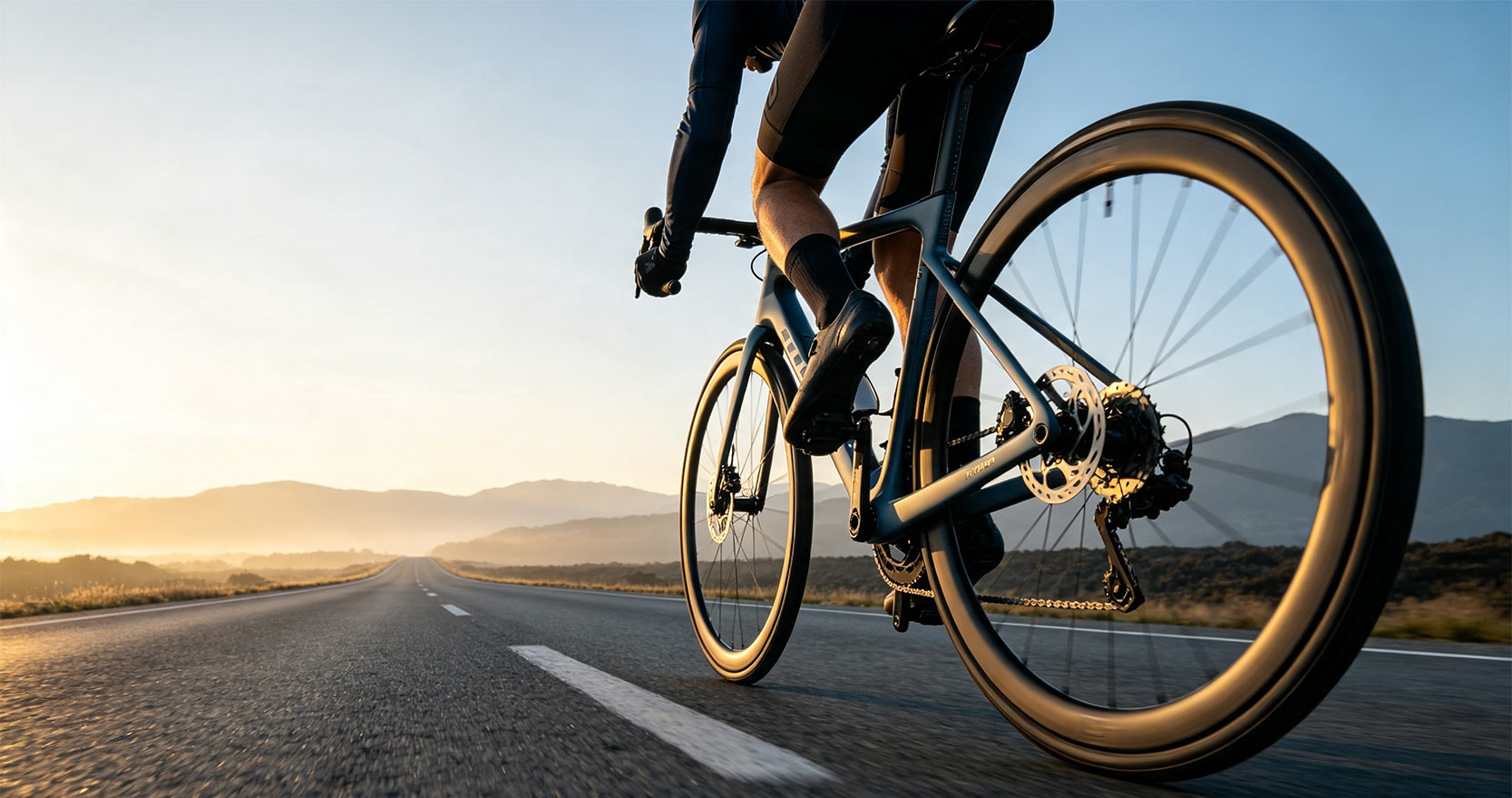

Kernmerkmale: Entwickelt für Geschwindigkeit und Effizienz
Hauptklassifizierungen: Passend für verschiedene Fahrszenarien
Mit der zunehmenden Popularität des Radsports sind Rennräder nicht mehr nur auf den Profirennsport beschränkt. Es wurden zahlreiche Modelle entwickelt, um den Bedürfnissen von Profiwettkämpfen, Freizeittouren über lange Strecken und dem täglichen Fitnesstraining gerecht zu werden.
(1) Rennräder
Diese für professionelle Wettkämpfe und Hochgeschwindigkeitssprints konzipierten Fahrräder zeichnen sich durch eine aggressive Rahmengeometrie, einen niedrigen Schwerpunkt und eine extrem hohe Rahmensteifigkeit aus. Sie maximieren die Kraftübertragung und explosive Leistung und eignen sich sowohl für Profifahrer als auch für Geschwindigkeitsbegeisterte im Rennsport und im hochintensiven Training.
(2) Endurance-Rennräder
Endurance-Rennräder vereinen Leistung und Komfort und verfügen über eine optimierte Rahmengeometrie für eine entspanntere Sitzposition, wodurch der Druck auf Taille, Rücken und Handgelenke reduziert wird. Sie behalten ihre Vorteile hinsichtlich geringem Gewicht und niedrigem Windwiderstand bei und eignen sich ideal für lange Touren, tägliches Fitnesstraining und Wochenendausflüge – perfekt für die meisten Radsportbegeisterten.
(3) Aero-Rennräder
Aero-Rennräder sind auf optimale Aerodynamik ausgelegt und verwenden tropfenförmige Rahmenrohre sowie integriertes Zubehör, um den Luftwiderstand zu minimieren. Sie eignen sich hervorragend für schnelles Fahren auf flachen Strecken und sind die erste Wahl für ambitionierte Fahrer, die höchste Geschwindigkeiten anstreben.
Praktische Tipps zum Radfahren: Sicher, effizient und komfortabel
Auch wenn Rennradfahren einfach aussieht, sind standardisierte Fertigkeiten unerlässlich, um Sicherheit, Komfort und Lebensdauer des Fahrrads zu gewährleisten und häufige Fehler zu vermeiden.
(1) Wählen Sie die richtige Rahmengröße
Die richtige Rahmengröße ist die Voraussetzung für sicheres Fahren. Ein zu großer Rahmen führt zu einem instabilen Schwerpunkt und einer unpräzisen Steuerung, was insbesondere bei hohen Geschwindigkeiten ein Sicherheitsrisiko darstellt. Ein zu kleiner Rahmen hingegen führt zu einer unbequemen Sitzposition, eingeschränkter Kraftübertragung und langfristigen Beschwerden. Fahrer sollten die Rahmengröße entsprechend ihrer Körpergröße und Armspannweite wählen, um ergonomischen Standards gerecht zu werden.
(2) Das Schaltsystem wissenschaftlich anwenden
Beim Schalten kommt es auf eine flexible Kraftentfaltung an, nicht auf blindes Fahren in hohen Gängen. Für eine stabile Fahrt stufenlos hochschalten; beim Anfahren, gegen den Wind oder an leichten Steigungen frühzeitig herunterschalten, um die Knie zu entlasten. Bergab die Gänge sicher einrasten lassen und mit den Bremsen zusammenarbeiten, um die Geschwindigkeit zu stabilisieren. Ruckartiges Schalten und Leerlauf-Pedalieren vermeiden, um die Getriebekomponenten zu schonen.
(3) Standardisierung der Körperhaltung und Straßenwahl
Nehmen Sie beim normalen Fahren eine entspannte Haltung ein und beim Sprinten eine flache, windabweisende Haltung. Vermeiden Sie Schlaglöcher, Schotter und unebene Straßen, um Reifenpannen und Rahmenschäden vorzubeugen. Halten Sie ausreichend Abstand, schätzen Sie die Straßenverhältnisse vorausschauend ein und vermeiden Sie plötzliches Bremsen und scharfe Kurven, um Ihre Fahrsicherheit zu gewährleisten.
Professioneller Wartungsleitfaden: Verlängern Sie die Lebensdauer Ihres Fahrrads
Radfahren als Mehrwert: Mehr als Geschwindigkeit, ein neuer Lebensstil
Rennräder sind heute nicht mehr nur Sportgeräte, sondern ein hochwertiges Fortbewegungsmittel für Fitness, Freizeit, Geselligkeit und umweltfreundliches Reisen. Als gelenkschonendes Ausdauertraining verbessert Rennradfahren effektiv die Herz-Kreislauf-Funktion und die körperliche Ausdauer bei minimaler Gelenkbelastung und ist für Menschen jeden Alters geeignet.
Von Profistadien bis hin zu Stadtstraßen bieten Rennräder hervorragende Leistung und vielfältige Fahrerlebnisse und machen jede Fahrt zu einem Abenteuer im Wind. Mit dem richtigen Modell, dem Erlernen professioneller Fahrtechniken und sorgfältiger Wartung kann jeder den Reiz des professionellen Rennradfahrens genießen.


Eine Nachricht hinterlassen
Scannen Sie den QR-Code zu WeChat :

Scannen und zu WhatsApp senden :

 IPv6 NETZWERKUNTERSTÜTZT